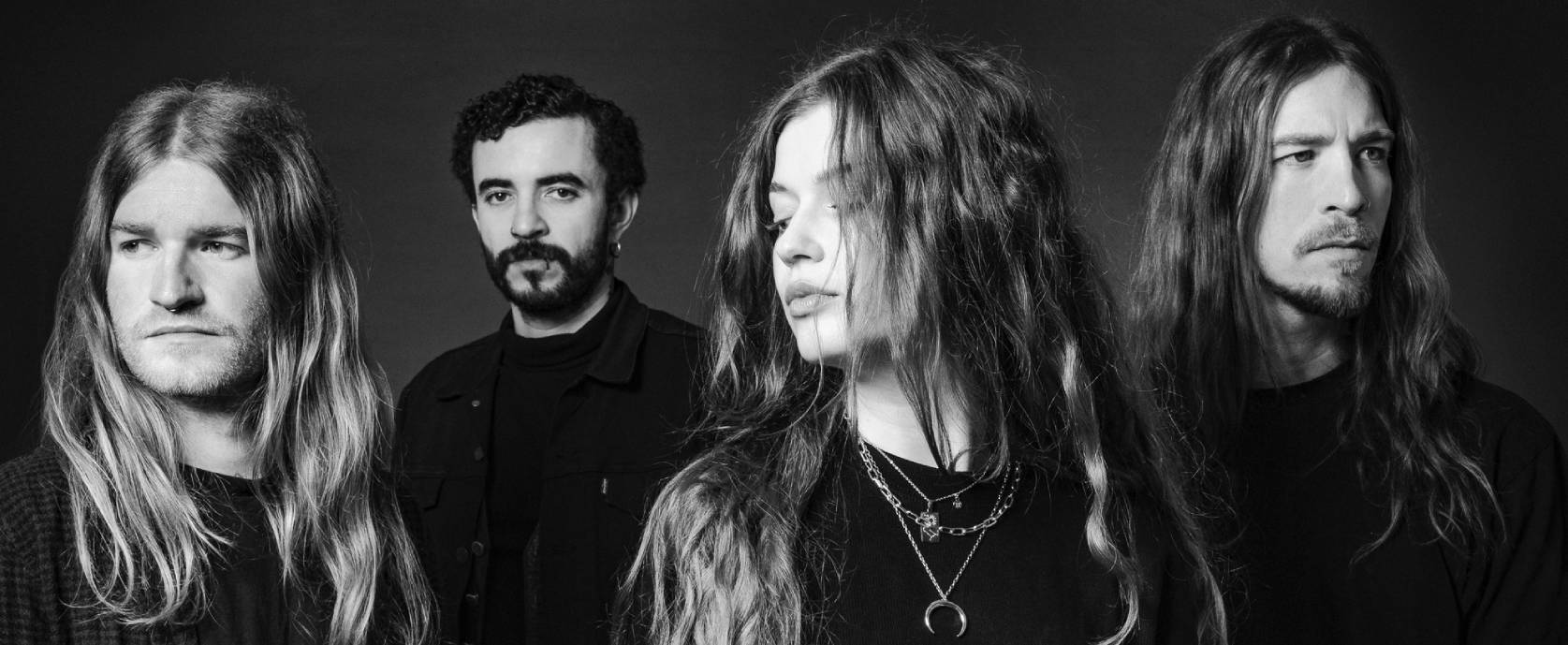
Few bands from the contemporary metal landscape manage to balance heaviness, atmosphere, and artistic vision as convincingly as Coltaine. Blending elements of post-metal, doom, post-rock, and sludge into a sound that is both crushing and cinematic, the band has drawn attention for its unique approach to storytelling through music and visuals. With their performance at Rojc Open Air Festival in Pula, Croatia just around the corner (July 10), we caught up with the band to talk about their origins, creative process, and plans for the future.
To start off, let’s set the stage for those who might not have heard you yet (luckily, they are about to!). Coltaine: what, who, when, how, and why?
We are Coltaine from the Black Forest in Germany. The band came together through shared musical interests and a natural overlap in how we approach writing and atmosphere. What connects us is the intention to create immersive, dynamic music that moves between heaviness and fragility.
Let’s dig a bit deeper; your beginnings were arguably “heavier” in terms of genre? Before Coltaine, Moritz and Benedikt played in a band called Witchfucker. How did everything evolve into what we hear today?
The transition happened quite naturally over time. Witchfucker was a very different chapter for us. Moritz and Benedikt were the only constant members throughout the band’s existence. When Julia joined on vocals and we recorded “Afterhour In Walhalla”. we already felt that we could expand more on atmosphere and dynamics. After the Covid-years and several lineup changes, we met Amin, which immediately clicked for all of us. From there, Coltaine naturally started to take shape.
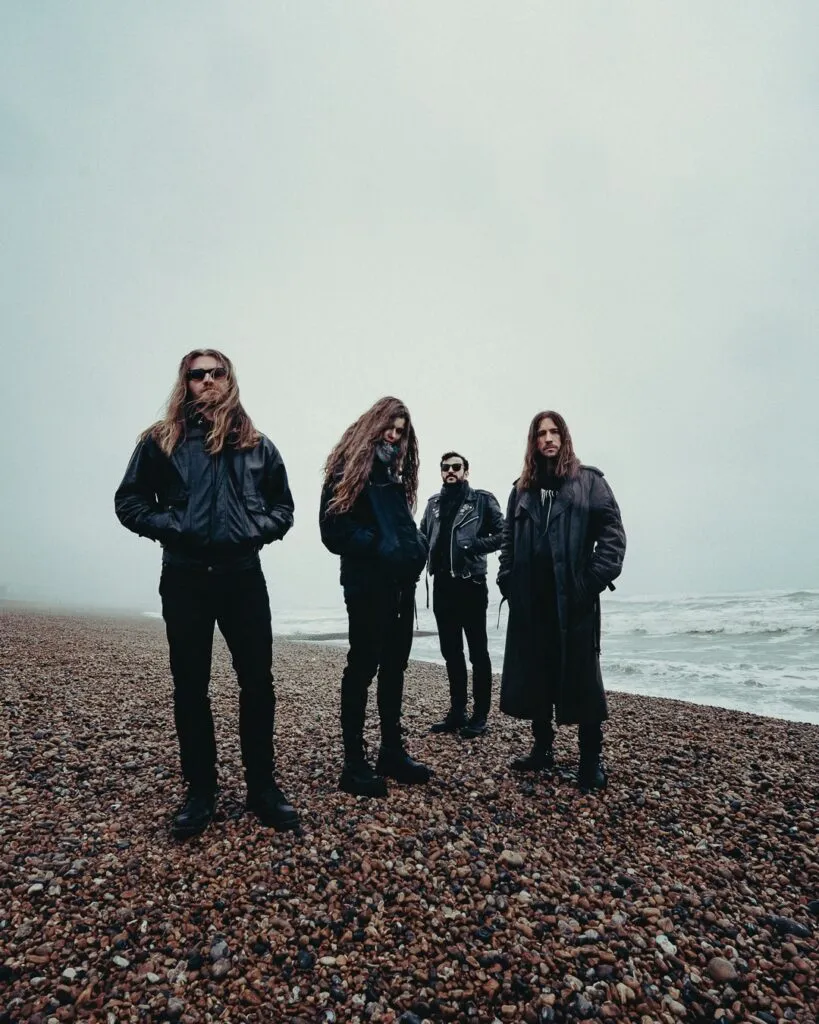
It’s interesting that the band’s name connects to a character from the Malazan Book of the Fallen series. What prompted such a reference? Does it have to do with the character’s specific qualities (seemingly cold on the surface, but deeply courageous, heartful, and tactical)?
Coltaine is a character from the Malazan Book of the Fallen series by the Canadian author Steven Erikson. Coltaine plays a particularly central role in the second book, “Deadhouse Gates”. It is less about directly translating his traits into the music and more about the feeling and atmosphere that surrounded that part of the story.
That strategic and tactical quality can certainly be recognized in your approach to building the band’s narrative. You spend a large part of the year on tour, you pay great attention to visual presentation through videos and photography, and you are very active on social media… How did you shape all these details into the cohesive identity we see today?
It was not something that was planned in a structured way. A lot of it developed step by step through touring and working closely with people we trust creatively, especially in the visual side of things.
Over time, we realized that all these elements naturally belong together if they come from the same mindset. Touring, visuals, and communication are just different extensions of the same idea behind the band.
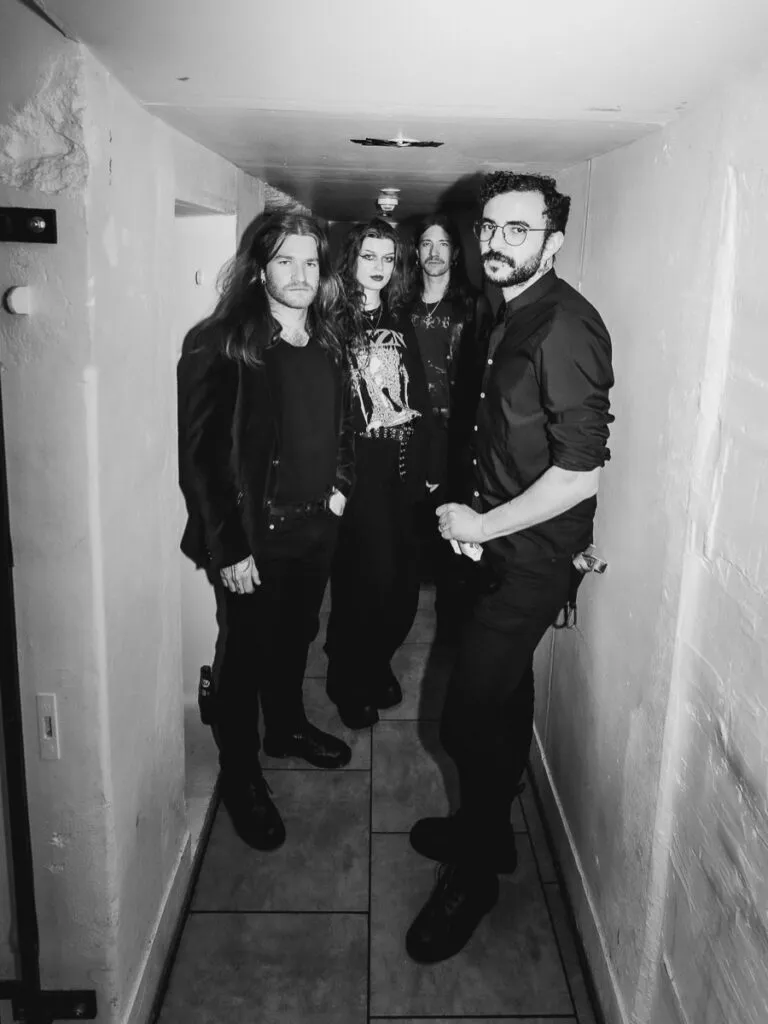
The album “Forgotten Ways” symbolically marked a turning point in song conception, sound, and atmosphere; a shift in genre and almost your entire approach. How did that come about?
Well, it was our first album. With Julia and Amin in the band, we sat down and wrote songs in a constellation that was new to everyone. Even though Julia, Benedikt and Moe had written songs together before, it now was a new band with a new emotional and creative input and a new energy in the room overall. A lot of the material that made it on the record, was actually played live during tours quite some time in different variations before we put down a “final” version on the recording. It was more like “jam” than a creative songwriting process in a studio.
At the end of 2025, just as the new album became current, you presented a video for the song “Mogila” from the previous album. The video is very unusual; if I’m not mistaken, it depicts funeral tradition in Hallstatt, Austria, where death is understood and accepted somewhat differently than in the rest of Europe. How did the collaboration with the author, Natascha Stogu, come to be?
Our tour photographer Daniel Kilgus introduced us to Natascha Stogu. She was interested in creating a video for our music, and the reason it became a video for “Mogila,” a song from the first album, was that we asked her to follow her own intuition and feelings. Darkness and the confrontation with death have always been recurring themes throughout our work. The mountainous landscapes were also a major inspiration for the first album, which is reflected in the album artwork as well. In the end, the whole concept simply felt right to us and very natural in the context of the song and the album.
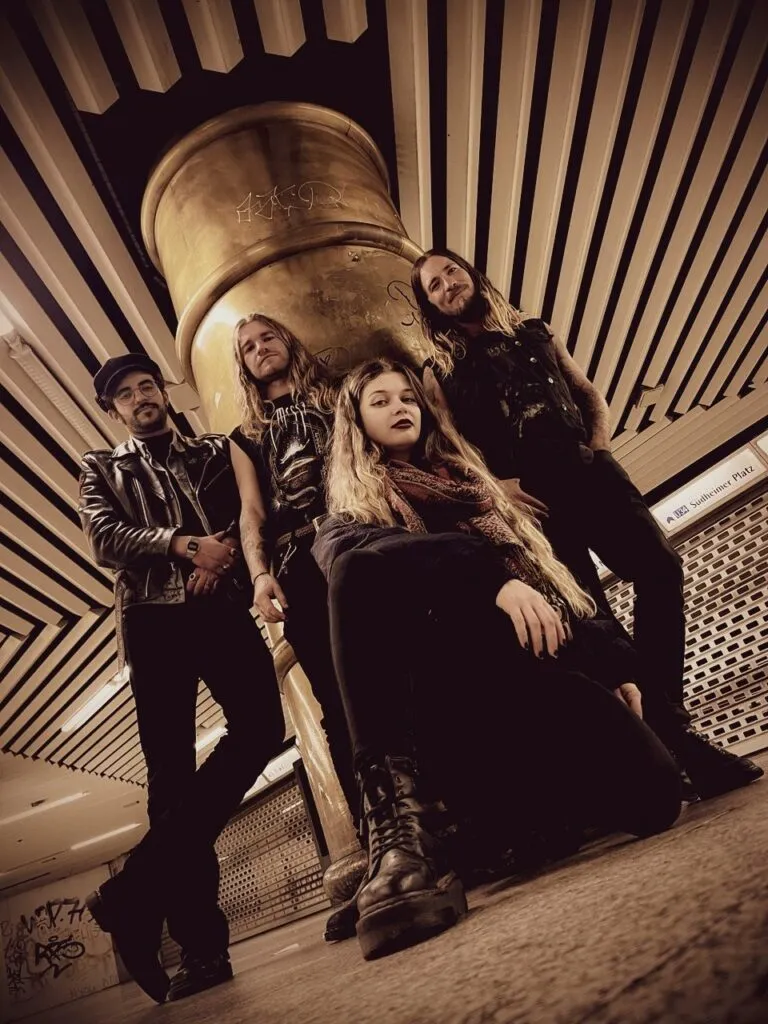
The latest album “Brandung” is definitely the crowning achievement of your work so far. What did the process look like, from the initial concept to the final polish of the release? Do you divide “tasks” within the band, or is the process more fluid?
We had a relatively clear direction for “Brandung” quite early on in terms of the emotional tone and overall sound we wanted to achieve. The actual writing process is very collective for us, we write music and lyrics together while we are in the same space rather than dividing strict roles.
Guitar, bass and drums and even some of the vocals are recorded live with a few guitar overdubs here and there. Some of the songs only fully took shape during the recording process itself, and in the case of “Maelstrom”, the track was entirely improvised by Moritz during a break in the studio. He started playing with this sound and we felt that it fit the album so we just started recording it. That openness was an important part of how the album came to life. The cover artwork by Daniel Kilgus was chosen before the album was fully written. Having that visual in place gave us a reference point while working on the music and helped us stay focused on a certain mood and direction.
In just three words, how would you describe this album to someone who, unfortunately, cannot hear it?
Crushing. Enduring. Hopeful.
What do you expect from the future regarding the path of the band?
We want to keep doing what feels honest to us without overthinking direction or expectation. The goal is simply to continue creating music that comes from the same place as before and to let it develop naturally over time, both in the studio and on stage.
Photos: Daniel Kilgus
Interviewer: Sara Jerman